
When planning a junk removal project, one common question is how much material a removal truck can actually hold. The answer depends on the truck’s size, the type of materials being collected, and how efficiently the available space can be used. Understanding these factors can help you estimate whether one truckload will be enough for your cleanup.
Furniture, appliances, boxes, yard debris, and other unwanted materials can take up different amounts of space. A few large items may fill a truck faster than many smaller pieces. Knowing what affects truck capacity can help homeowners and businesses prepare for a removal appointment and communicate their needs more clearly with a service provider.

The size of the removal truck is one of the biggest factors affecting how much material it can carry. Different companies use different types of trucks, so there is no single capacity that applies to every removal service.
A smaller truck may be appropriate for a limited household cleanup, while a larger truck can accommodate material from a more extensive cleanout. The usable space can also vary based on the truck’s design, loading area, and weight limitations.
When requesting a service, describe the amount and type of junk you have rather than relying only on the number of items. For example, several large sofas can occupy considerably more space than numerous bags of lightweight household items.
Truck capacity is not determined by volume alone. Weight can also affect how much material can safely be transported.
Dense materials such as concrete, soil, bricks, and certain construction debris can become heavy quickly. Lightweight materials, including cardboard, clothing, and some household goods, may fill a truck before reaching the same weight.
Because of this, a truck may have available physical space but still have limitations based on its safe carrying capacity. A removal company can assess the materials involved and determine how much can be transported during a particular job.
Providing accurate information about heavy materials before scheduling can help the company prepare the appropriate vehicle and equipment.
Furniture can occupy a significant amount of truck space because of its size and shape. Sofas, sectionals, tables, wardrobes, cabinets, and large shelving units may leave unused spaces around them if they are not positioned efficiently.
Some furniture can be disassembled before loading, depending on its construction and the company’s procedures. Breaking down suitable pieces can sometimes make it easier to use the available space efficiently.
However, customers should not assume that they need to dismantle everything themselves. Ask the removal provider what preparation is expected before the crew arrives and whether the team handles basic disassembly when appropriate.
Large appliances can also take up considerable room in a removal truck. Refrigerators, washing machines, dryers, ovens, and other bulky appliances have substantial dimensions and may require careful handling during transportation.
Some appliances can be positioned together efficiently, while others may need additional space because of their shape or condition. Certain appliances may also have special handling or disposal requirements.
If you have several appliances, provide the company with their approximate sizes and types when requesting service. This information can help the provider determine how much truck space may be required and whether additional considerations apply.
The amount of space required for a household cleanout depends on the size of the property and the quantity of unwanted materials. A small room cleanup may produce only a modest amount of junk, while clearing an entire garage, basement, or storage area can generate substantially more.
Items may include furniture, boxes, appliances, decorations, household equipment, and miscellaneous belongings. Because these materials vary significantly in size and density, simply counting the number of items may not provide an accurate estimate.
Photographs can sometimes help a removal company understand the approximate volume before the appointment. Ask whether the company accepts photos when preparing an estimate or determining the appropriate truck size.
Renovation and construction debris often requires special consideration because materials such as drywall, lumber, flooring, tiles, and other building materials can be bulky or heavy.
A relatively small amount of dense construction debris can create significant weight. At the same time, lightweight materials may occupy a large portion of the truck’s available space.
If your project involves renovation debris, explain the materials involved and provide an estimate of the quantity. The removal company can then determine whether its regular service is appropriate and whether there are any restrictions on particular materials.
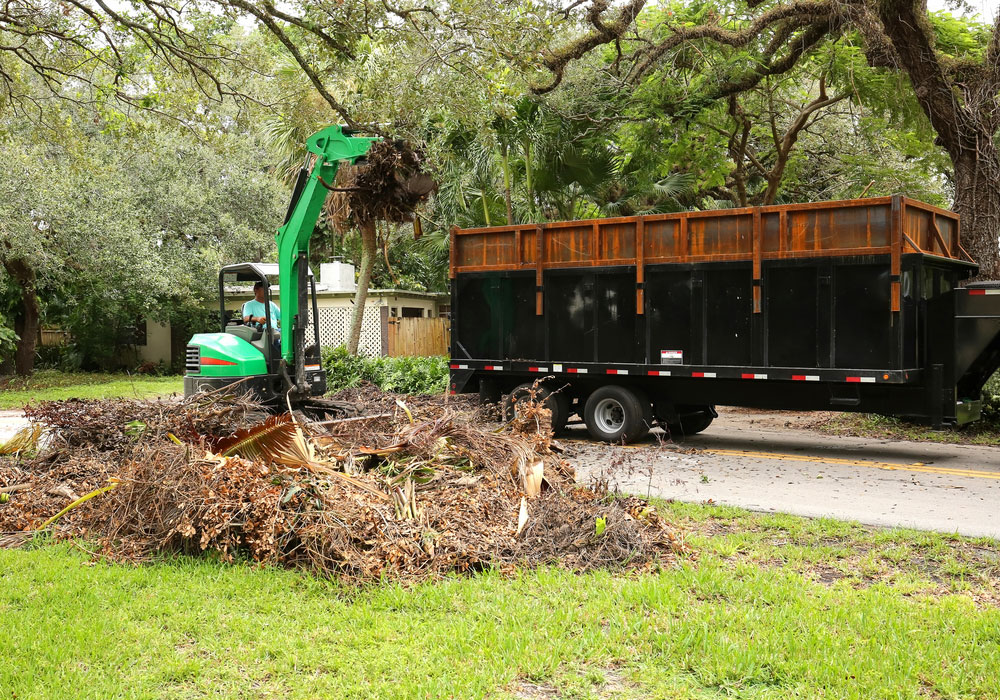
How materials are arranged inside a truck can affect how much usable space remains. Removal crews may position larger items strategically and place smaller materials into available spaces.
However, efficient loading does not mean a truck can carry an unlimited amount of junk. Safe weight limits, vehicle design, material restrictions, and available space still determine the practical capacity.
Customers should avoid assuming that an apparently empty section of a truck means additional material can always be added. The removal crew is responsible for determining when the vehicle has reached an appropriate loading limit.
Large cleanouts may produce more material than one truck can safely accommodate. This can happen during estate cleanouts, major renovations, property cleanups, commercial clear-outs, or moves.
If you have a substantial amount of material, ask the company whether the job can be completed in one visit or whether multiple loads may be necessary. Sharing detailed information before the appointment can help the provider plan accordingly.
In some cases, removing the most urgent or bulky items first may be useful if the entire project cannot be completed in one load. The appropriate approach depends on the amount and type of material involved.
A useful way to prepare for junk removal is to group your unwanted items by type and location. Separate large furniture, appliances, boxes, yard materials, and other categories so you can give the removal company a clearer description.

Take note of where the items are located as well. Materials inside a basement, upstairs room, garage, backyard, or storage area may require different handling than items already placed outside.
Photographs can also provide useful visual information when requesting an estimate. The more accurate your description is, the easier it may be for the company to determine the appropriate truck and service requirements.
Before scheduling junk removal, ask the company what type of truck it uses and how it measures capacity. Some providers may discuss capacity in terms of truck volume, while others may describe the service based on the amount of space your materials occupy.
Explain what you need removed, including the approximate number and size of larger items. Mention any heavy materials or unusual objects that could affect loading requirements.
It is also useful to ask whether the company can handle the entire load in one visit. Getting these details in advance can help you plan your cleanup and avoid surprises on the day of service.
The amount of junk a removal truck can hold depends on several factors, including vehicle size, available volume, weight limits, material type, and how the items are loaded. Large furniture and appliances can use substantial space, while dense materials such as construction debris may reach weight limitations more quickly.
For customers planning junk removal in Benicia, providing accurate information about the materials, quantity, and location can help JUNK180 understand the scope of the job. Photos and descriptions of large or heavy items may also help when discussing service requirements.
If you are preparing for a household, garage, property, or business cleanup, contact JUNK180 in Benicia at +1 707-377-3221 to discuss your removal needs and determine what type of service may be appropriate for your project.