
Hazardous materials left unattended in homes, businesses, or public areas pose serious risks to health, safety, and the environment. Junk Removal plays a crucial role in minimizing these dangers by safely removing potentially harmful substances such as chemicals, batteries, old electronics, and other toxic waste. Proper Junk Removal ensures that hazardous materials are handled and disposed of correctly, reducing the likelihood of accidents, contamination, or chemical exposure. Communities benefit from cleaner, safer environments where residents can live, work, and play without concern for unseen dangers. By prioritizing Junk Removal, neighborhoods foster responsible waste management, protect public health, and support environmental sustainability, highlighting the essential role of clutter control in maintaining safe and secure surroundings.
Homes often accumulate old batteries, paints, cleaning agents, and other hazardous substances that pose risks to residents. Junk Removal ensures that these toxic materials are removed promptly and safely, preventing accidental ingestion, chemical burns, or other health hazards. Organized Junk Removal reduces clutter while maintaining a secure environment for children, pets, and adults. By eliminating hazardous waste from residential spaces, communities promote safer living conditions, allowing residents to enjoy their homes without fear of contamination. Routine Junk Removal also encourages responsible disposal practices, fostering awareness about the potential dangers of improperly stored chemicals and other hazardous household items.
Parks, sidewalks, and communal areas can accumulate harmful substances like leftover paint cans, pesticides, or industrial chemicals. Junk Removal removes these risks, ensuring public spaces are safe for recreation and community activities. Reducing chemical exposure protects children, seniors, and pets from accidental contact or inhalation of toxic fumes. Organized removal also prevents environmental contamination, keeping local ecosystems healthy. By prioritizing Junk Removal, municipalities maintain safer neighborhoods while promoting responsible waste habits among residents. Clean, chemical-free public spaces enhance community confidence and encourage the use of shared areas for outdoor activities, supporting both physical health and environmental stewardship.
Removing leftover chemicals, paint, and other hazardous materials from parks and playgrounds ensures children and families can enjoy outdoor spaces safely. Junk Removal prevents accidental exposure, maintaining clean and secure environments for recreation and leisure activities.
Debris containing toxic substances on sidewalks can pose health risks to pedestrians and pets. Junk Removal keeps walkways free from dangerous chemicals, allowing residents to move safely through neighborhoods while preserving public safety and fostering a cleaner, more inviting community environment.
Chemicals improperly discarded in public areas can harm soil, water, and plant life. Junk Removal prevents toxins from entering ecosystems, supporting healthy urban and suburban environments while preserving biodiversity and promoting sustainable management of natural resources.
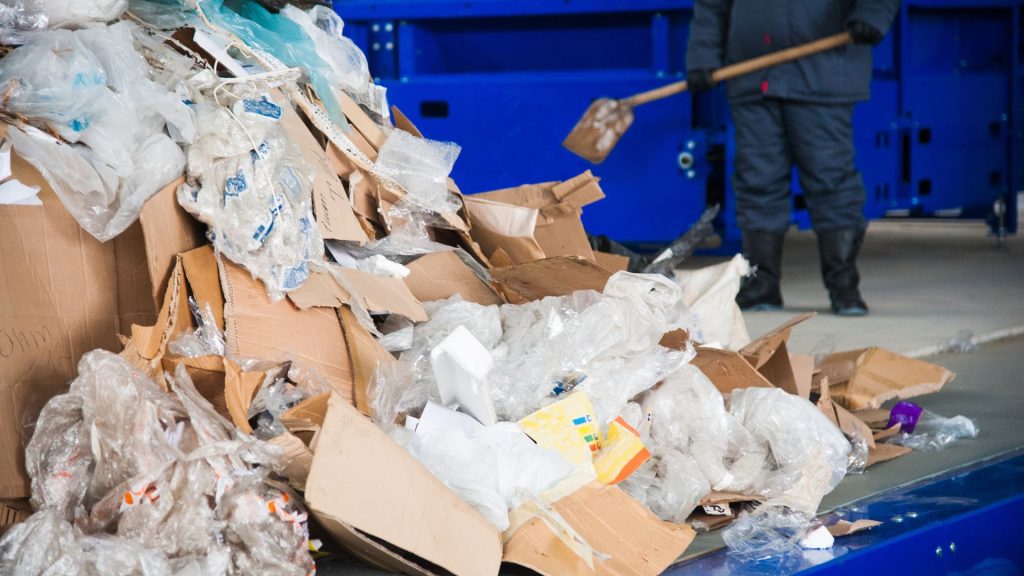
Regular junk removal encourages community members to follow safe disposal practices for hazardous items. By modeling responsible waste management, municipalities foster a culture of safety, environmental stewardship, and conscientious behavior in shared spaces.
Maintaining parks, sports fields, and public spaces free of harmful chemicals improves usability and community trust. Junk Removal creates safe zones for outdoor activity, exercise, and social interaction while supporting public health and reducing long-term environmental risks.
Accumulated flammable materials such as cardboard, solvents, or old furniture increase the risk of accidental fires. Junk Removal eliminates these fire hazards by ensuring that combustible items are disposed of safely and systematically. Regular removal of potentially flammable waste safeguards homes, businesses, and public areas, reducing the likelihood of property damage or injuries. Fire departments and local authorities benefit from decreased emergency incidents, while residents experience improved safety. Implementing routine Junk Removal reinforces awareness of fire prevention and promotes community-wide compliance with safety standards. Cleaner, hazard-free spaces not only protect lives but also enhance neighborhood security and resilience.
Hazardous waste improperly discarded outdoors can leach chemicals into soil and water systems, affecting vegetation, wildlife, and human health. Junk Removal prevents contamination by systematically removing harmful materials from yards, parks, and industrial areas. Cleaner environments preserve soil fertility, support plant growth, and maintain water quality. Regular Junk Removal ensures that pollutants like heavy metals, oils, or pesticides do not infiltrate natural ecosystems. Communities benefit from safer, healthier surroundings where residents can enjoy recreational areas without risk of exposure. By integrating consistent Junk Removal practices, towns protect local resources, promote sustainable land use, and reinforce environmental responsibility for long-term ecological health.
Electronic devices like old computers, printers, and televisions contain heavy metals and toxic components that are hazardous if mishandled. Junk Removal provides safe disposal and transport of electronic waste, reducing exposure risks for residents and workers. Proper handling prevents contamination of landfills and water systems, safeguarding both environmental and public health. Communities that prioritize Junk Removal for electronics also encourage responsible recycling practices, ensuring that valuable materials are recovered while harmful substances are contained. By integrating electronic waste management into regular Junk Removal routines, neighborhoods maintain safer living spaces and foster awareness about the environmental and health impacts of e-waste accumulation.
Factories, construction sites, and warehouses often generate hazardous waste, including chemicals, solvents, and sharp debris. Junk Removal ensures these areas remain clutter-free and safe for employees. Removing hazardous materials reduces accidents, improves operational efficiency, and promotes compliance with workplace safety regulations. Clean industrial zones also enhance morale and productivity by providing a safer working environment. By implementing systematic Junk Removal practices, businesses protect their workforce, prevent environmental contamination, and reduce liability risks. Communities surrounding industrial areas benefit from decreased pollution and improved safety standards, demonstrating the broader impact of proper hazardous waste management on both health and the local environment.
Unmanaged hazardous waste in public and private spaces can lead to disease, contamination, and long-term health problems. Junk Removal removes harmful items efficiently, reducing exposure to toxins, allergens, and biohazards. Organized removal programs encourage community participation and awareness, fostering a culture of responsibility regarding waste. Cleaner neighborhoods decrease public health risks, improving overall quality of life for residents. By prioritizing Junk Removal, municipalities and community groups can prevent environmental hazards from becoming health crises. Regularly maintained spaces promote safer outdoor activities, reduce pest infestations, and create environments where residents feel secure and protected from the dangers associated with hazardous materials.
Sustainable waste management is essential for protecting communities and ecosystems over time. Junk Removal reduces the accumulation of hazardous materials, preventing environmental degradation and minimizing long-term ecological risks. Public education alongside organized Junk Removal encourages responsible disposal habits, creating informed residents who contribute to environmental safety. Cleaner spaces protect water, soil, and wildlife from toxic contamination, while reducing the spread of hazards that affect human health. By consistently implementing Junk Removal strategies, communities foster lasting environmental stewardship, demonstrating proactive care for both local surroundings and the planet. Long-term adherence to safe disposal practices strengthens resilience against pollution and hazards.
Maintaining a safe and healthy community requires proactive management of hazardous materials. Junk Removal reduces the risks associated with toxic, flammable, or chemically harmful waste, preventing accidents, environmental contamination, and long-term health hazards. By consistently removing dangerous debris from homes, public areas, and workplaces, communities can create safer environments for residents, pets, and local ecosystems. Implementing Junk Removal promotes awareness about responsible disposal and reinforces the importance of safety standards.
For reliable and efficient service, contact JUNK180 LLC. Serving Solano County and Contra Costa County, California, our team ensures hazardous waste is removed safely and responsibly. Call us today at (707) 536-0740 to schedule a pickup or consultation.